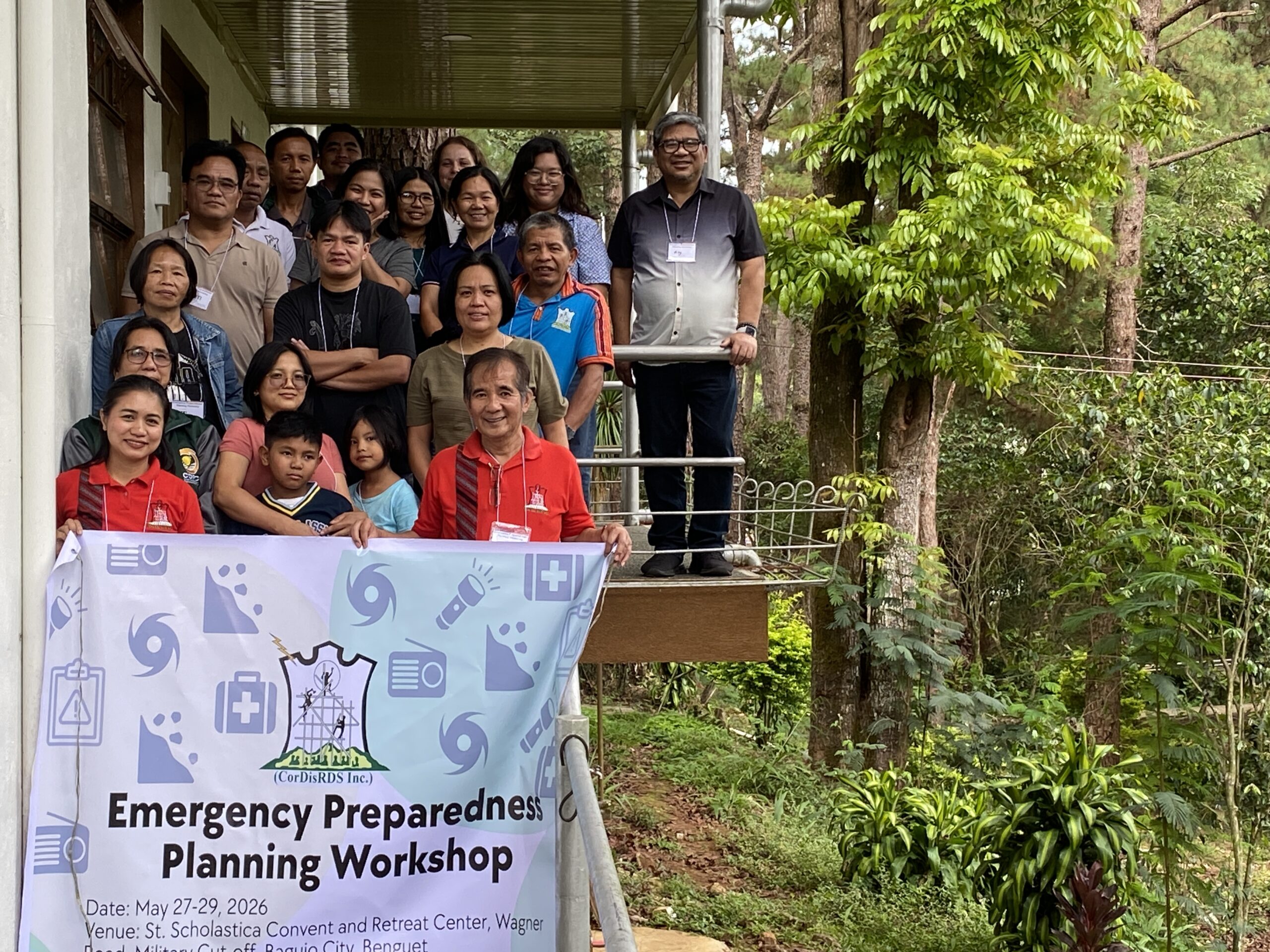
The Cordillera Disaster Response and Development Services (CorDisRDS) Inc. successfully conducted a three-day Emergency Preparedness Planning (EPP) Workshop on May 27–29, 2026 at the Sta. Scholastica Convent in Baguio City. The activity brought together provincial partners and partner networks composed of CorDisRDS staff, provincial formations, and partner civil society organizations (CSOs) from across the Cordillera Administrative Region to revisit and strengthen the organization’s Emergency Preparedness and Response Plan (EPRP).
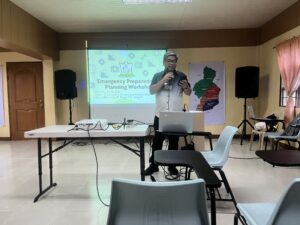
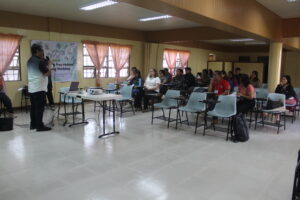
Sir Willy Alangui, Chairperson of the CorDisRDS Board of Trustees, welcomes participants and formally opens the EPP Workshop.
The workshop provided a venue for participants to reflect on lessons learned from past disaster responses, assess risks and capacities, and develop strategies to improve preparedness and emergency response systems. Sessions covered humanitarian principles and standards, hazard identification and prioritization, capacity assessment, worst-case scenario planning, emergency response processes, rapid needs assessment, situation reporting, relief distribution operations, and action planning.
Among the key learnings identified by participants were Minimum Preparedness Actions (MPA) and Advanced Preparedness Actions (APA), scenario-based planning and risk analysis, hazard indicators and activation thresholds, SitRep preparation and reporting, humanitarian principles and standards, staff safety and preparedness, and a deeper understanding of emergency preparedness and response mechanisms.
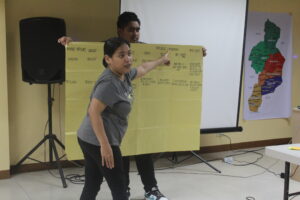
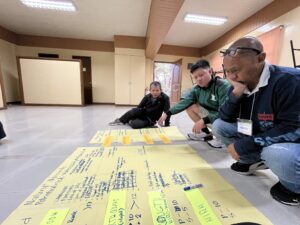
Jen leads the Response Indicators Workshop, helping participants develop indicators and thresholds to strengthen disaster preparedness, monitoring, and emergency response decision-making.
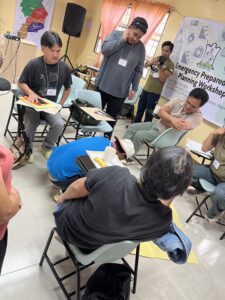
Participants work together in the Response Strategy Workshop to identify response priorities, assess capacities, and enhance coordination mechanisms for effective disaster response.
One of the most significant realizations that emerged from the workshop was that “everyone has a responsibility in disaster response.” Participants recognized that effective emergency response is not solely the responsibility of designated response teams but requires the active participation and preparedness of all staff, partner organizations, and stakeholders. This shared understanding reinforced the importance of coordination, accountability, and collective action before, during, and after emergencies.
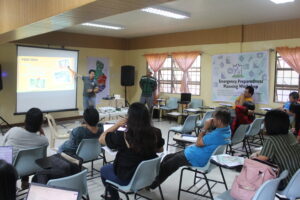
Participants learn about the Emergency Response Process, gaining a deeper understanding of the procedures and coordination mechanisms necessary for effective disaster response.
The workshop also strengthened participants’ understanding of the Emergency Response Process. Through discussions and practical exercises, participants gained a clearer appreciation of the steps involved in emergency response—from preparedness and activation, to assessment, reporting, response implementation, monitoring, and post-distribution activities. Discussions further enabled participants to harmonize approaches to beneficiary selection, emphasizing transparent, needs-based, and accountable processes to ensure that assistance reaches the most affected and vulnerable populations.
Participants identified Worst Case Scenario-Based Planning, Humanitarian Principles and SPHERE Standards, Beneficiary Selection and Relief Distribution Operations (RDO), DNCA, SitRep preparation, and the sharing of actual disaster response experiences as the most useful sessions due to their practical application in emergency preparedness and response work.
The workshop received a Grand Overall Rating of 3.57 out of 4.00 (Excellent). Participants highlighted the sharing of actual disaster response experiences, active engagement, practical action planning sessions, and opportunities for knowledge exchange among organizations as major strengths of the activity.
The workshop concluded with renewed commitments from participants to cascade the learnings within their organizations and communities, strengthen preparedness measures, improve coordination mechanisms, and implement the action plans developed during the workshop. Through this initiative, CorDisRDS continues to strengthen disaster preparedness and promote coordinated, people-centered humanitarian action in the Cordillera region.
CorDisRDS