In Tulgao West, Tinglayan, Kalinga, community members requested a training to learn, share stories, and talk about their rights as Indigenous Peoples. It was fitting that the training was held on December 13–14, right after International Human Rights Day (December 10). The Human Rights and Free, Prior, and Informed Consent (FPIC) training provided a safe space for the community to better understand issues affecting their land, culture, and daily lives.
Human Rights and Climate Justice
The discussions began by explaining how human rights are closely connected to climate justice. Participants learned that protecting the environment and ancestral land is also about protecting people’s rights. Many Indigenous communities face threats, harassment, and accusations when they defend their land. Climate justice was discussed as the protection of the rights of people who care for nature and future generations.
Understanding Basic Human Rights
Explaining key human rights and recognizing situations that violate them.
Basic ideas about human rights were explained in simple and practical ways. The difference between ordinary crimes and human rights violations was discussed, with focus on how violations often involve abuse of power by authorities. Participants learned about important rights such as the right to life, freedom, and safety; the right to privacy; the right to equality; freedom from torture and abuse; and the right of Indigenous Peoples to decide for themselves. These were explained using real situations that the community could easily relate to.
Community Experiences and Access to Justice
An elder shares personal experiences and insights on protecting community rights and culture.
Community members shared their own experiences, including encounters with police and military, illegal searches, checkpoints, and intimidation. These stories showed that human rights issues affect not only individuals but entire communities. Participants also learned that there are institutions where complaints can be filed when rights are violated.
Documenting Human Rights Violations
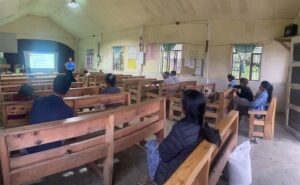
Learning how proper documentation helps communities safeguard their rights.
The training highlighted the importance of documenting human rights violations. Participants learned that recording what happened, when it happened, where it happened, and who was involved helps establish the truth and can support legal action. Through group exercises, community members practiced filling out fact sheets based on real-life situations. Many shared that this activity made them feel more prepared and confident to respond if similar incidents happen again.
Indigenous Peoples’ Rights and UNDRIP
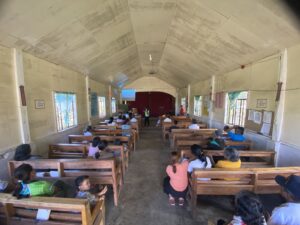
Explaining the importance of UNDRIP for protecting Indigenous culture and ancestral land.
Another key topic was the United Nations Declaration on the Rights of Indigenous Peoples (UNDRIP). The discussion explained how Indigenous Peoples have long experienced injustice due to colonization and discrimination. Participants learned about key rights under UNDRIP, including the right to self-determination, the right to protect culture, the right to education that respects Indigenous identity, the right to participate in decision-making, and the right to ancestral land and territory. Community members also raised concerns about the loss of culture and the need to pass traditions on to the youth.
Free, Prior, and Informed Consent (FPIC)
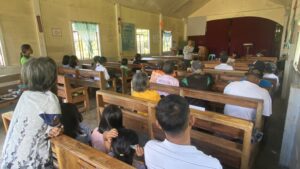
Dr. Raymond Mamma explains Free, Prior, and Informed Consent (FPIC) and shares practical examples with the community.
The discussion on Free, Prior, and Informed Consent was led by Dr. Raymond Mamma, PhD, Assistant Professor at the College of Agriculture of Kalinga State University. He explained that FPIC is the right of Indigenous communities to say yes or no to projects that may affect their land, whether temporary or permanent. He stressed that no project should enter the community without the clear and collective agreement of the people.
Community members raised concerns about development projects, watershed declarations, military presence, and past experiences where consent was obtained through pressure or money. Dr. Mamma emphasized that unity, knowledge of the law, and active participation in community assemblies are important in protecting rights and ancestral land.
Protecting Rights, Culture, and the Future
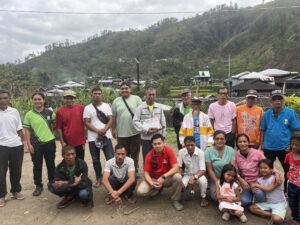
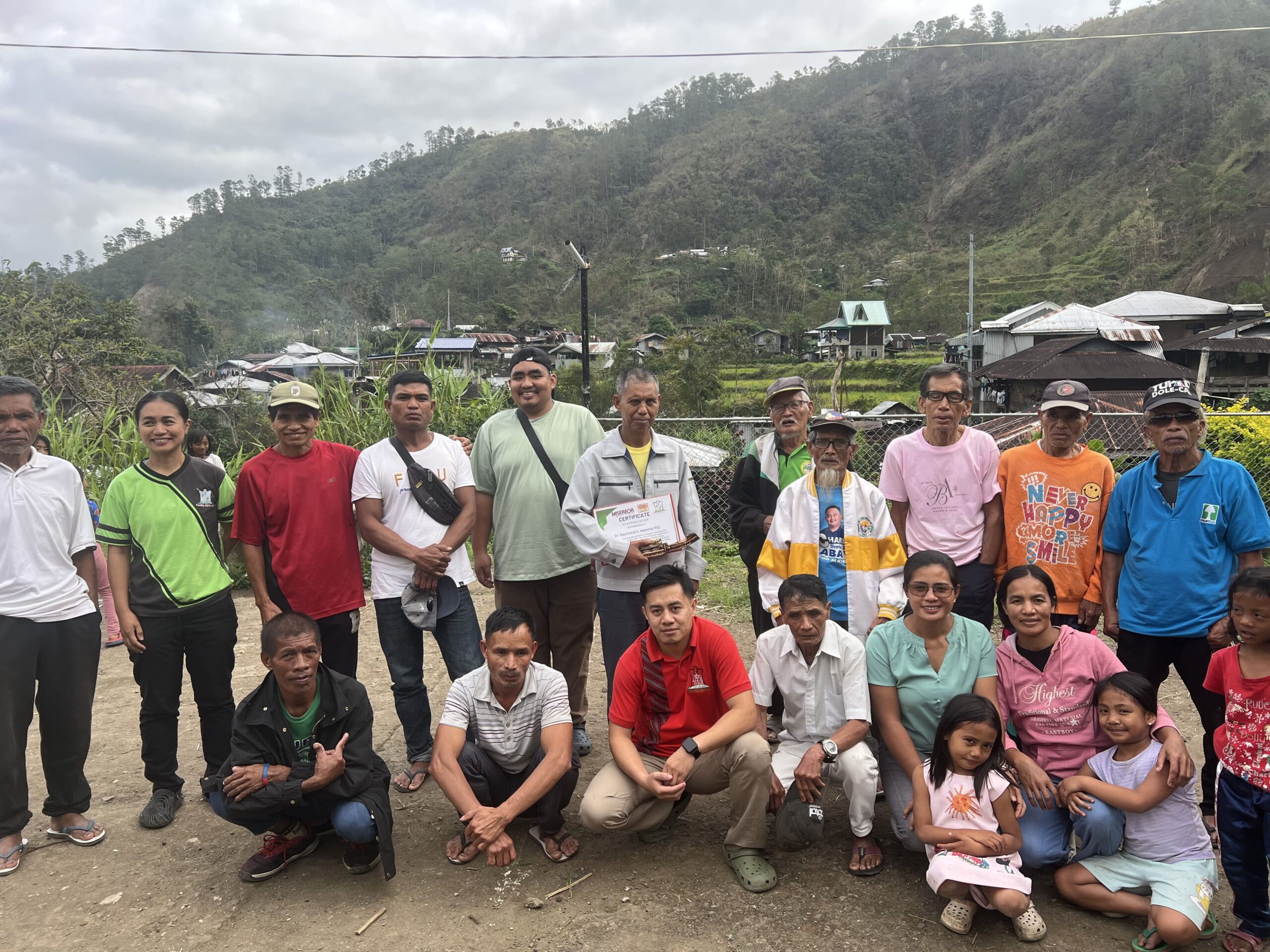
Staff, community members, and Dr. Raymond Mamma pose for a photo after a successful Human Rights and FPIC training.
Throughout the training, one message was clear: protecting rights, culture, and ancestral land is not only the duty of leaders or officials, but the responsibility of the whole community. Learning about human rights and FPIC strengthens people’s confidence to speak up and defend what matters to them.
By the end of the activity, participants challenged themselves to share what they learned with their families, neighbors, and children. In Tulgao West, human rights and FPIC are not just concepts, they are tools for protecting land, dignity, culture, and the future of the community.