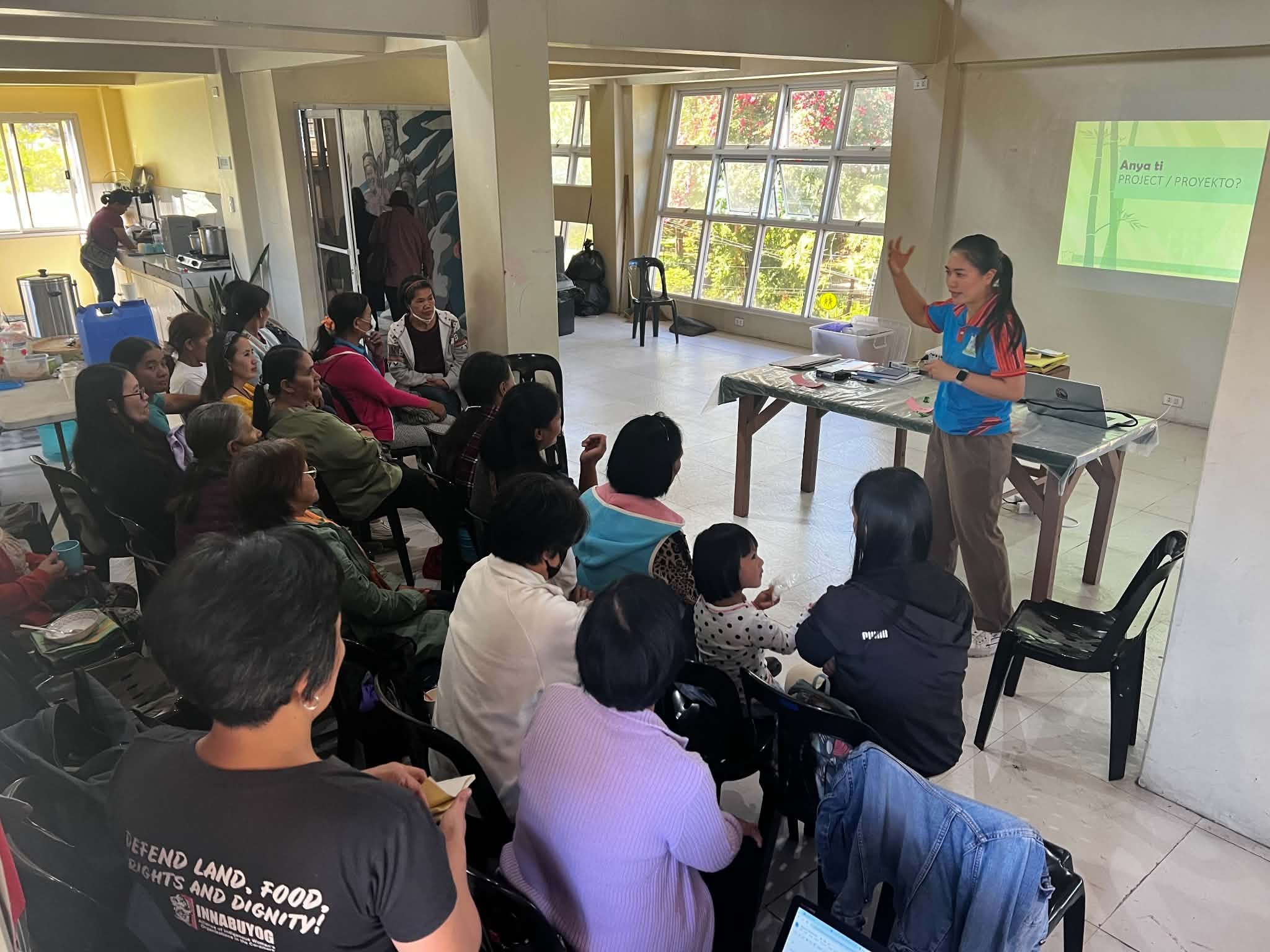
A strong community cooperative relies on shared resources and unity. It also depends on discipline, transparency, and the collective commitment of its members. Recognizing the importance of strengthening these foundations, CorDisRDS partnered with Organisasyon dagiti Nakurapay nga Umili iti Siyudad (ORNUS) and Ub-Ubbo ti Urnos ti San Luis. They conducted a one-day Project Management Orientation and Bookkeeping Training on November 10, 2026, at the IP Center. The session occurred at the CEPMO Building, Baguio City.
Recognizing Community Capacities and Priorities
The initiative was identified after an Appreciative Inquiry in San Luis. It occurred in July 2026 under the Survivor and Community-Led Response (SCLR) project. SCLR is a locally led humanitarian approach. It centers crisis-affected communities in decision-making and response. It treats them as active leaders and decision-makers addressing their needs.
An Appreciative Inquiry explored the community’s existing capacities, experiences, and priorities. Among the needs identified was the strengthening of their cooperative through bookkeeping training. Further coordination with Ub-Ubbo ti Urnos highlighted the importance of project management knowledge. This awareness led to integrating both topics into one learning activity.
Participants from Irisan, Pinget, Loakan, and Navy Base joined the training. This provided an opportunity for barangay members to learn from one another. They reflected on how the cooperative can better serve its members.
A facilitator introduces the one-day Project Management and Bookkeeping Training, explaining its objectives and giving participants an overview of the learning sessions and topics to be covered.
Making Cooperative Resources Work for the Community
The discussions revealed that a cooperative’s success cannot be measured by financial returns alone. Its value is also reflected in how its resources respond to the needs of its members and contribute to the wider community.
During the sharing of experiences, an example from a lending cooperative in Colalo, Mankayan, illustrated this principle. Rather than keeping its earnings solely for financial growth, the cooperative decided to use part of its interest income to repair a community water system damaged by typhoons. The cooperative used part of its earnings to purchase cooking utensils, plates, and tents for members to borrow for organizational activities and community gatherings.
This experience demonstrated how collective resources can extend beyond individual financial benefits. When members share a common purpose, a cooperative can become a practical mechanism for addressing community needs and strengthening solidarity.
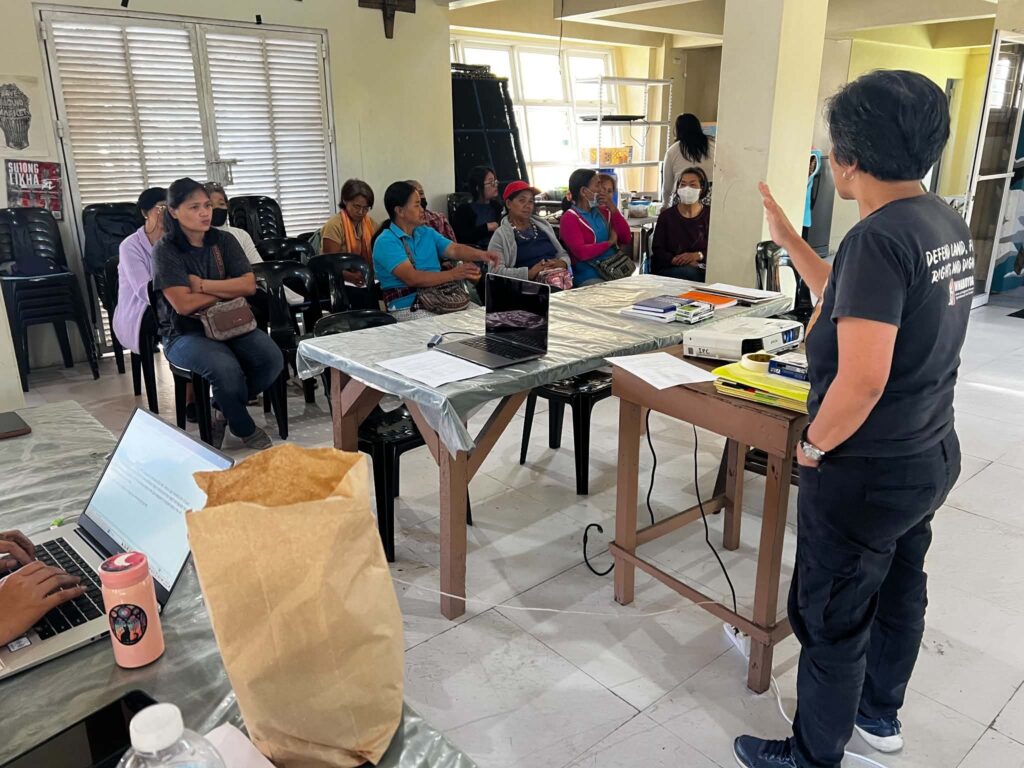
Participants engage in a discussion on the basics of project management, exploring how community initiatives can be planned and managed effectively.
The discussions also brought attention to the everyday challenges of managing a community-based cooperative. Participants shared experiences involving loan payments through GCash, foreign currencies, and in-kind contributions. These situations highlighted the importance of accurate financial recording, clear agreements, and consistent monitoring to maintain transparency and accountability among members.
Through practical exercises on identifying cash-in and cash-out transactions, participants gained a better appreciation of how proper bookkeeping supports the responsible management of shared resources.
Strengthening the Management Foundations of Collective Action
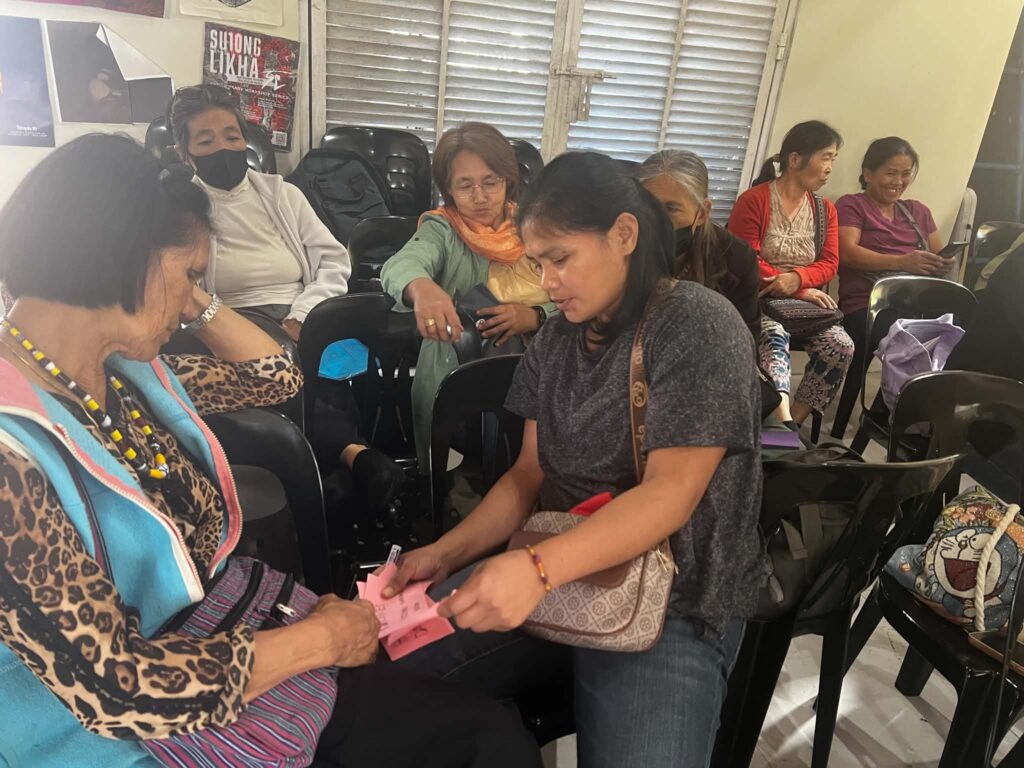
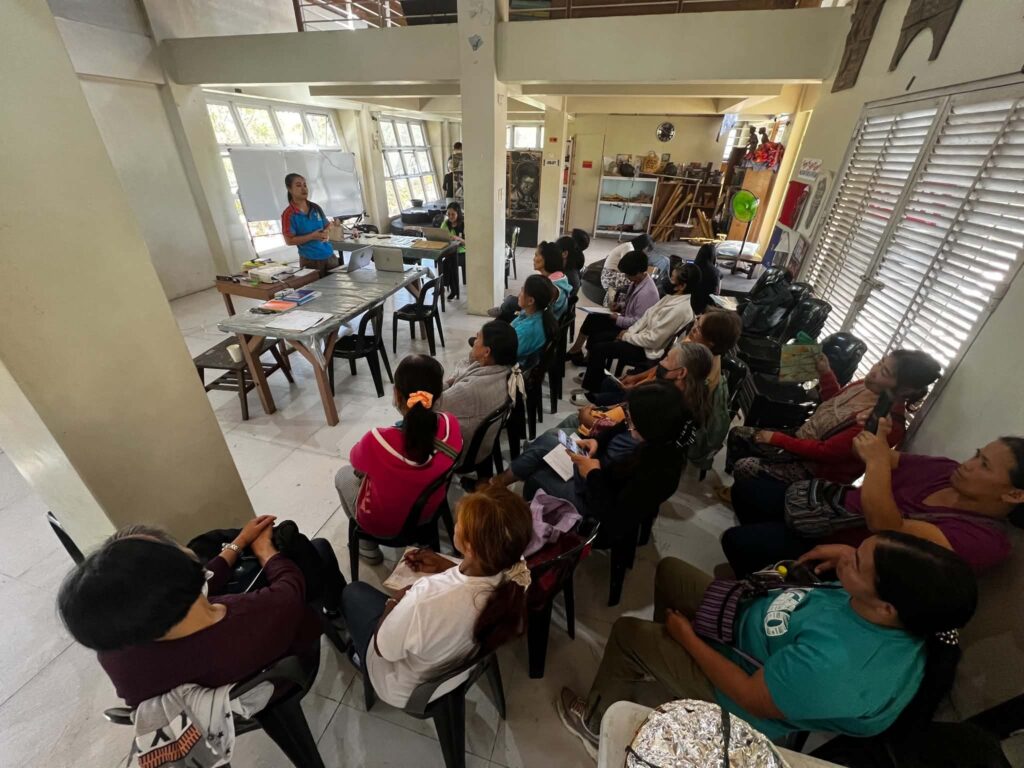
Participants take part in a practical activity, applying the lessons from the training through discussions and collaborative exercises.
Aside the technical knowledge on project management and bookkeeping, the training emphasized the importance of unity, discipline, and active participation. The training reminded members that a cooperative’s sustainability depends not only on its policies and financial systems but also on members’ commitment to uphold their shared responsibilities.
As one participant reflected during the evaluation, unity and discipline among members are essential for a cooperative to prosper. Understanding the project cycle also allows organizations to recognize their strengths and weaknesses and identify areas that need improvement.
The discussions further opened opportunities for future learning, particularly on more advanced financial management for cooperative treasurers and collectors.
Lastly, strengthening community initiatives means strengthening the people behind them. Ub-Ubbo ti Urnos ti San Luis embodies a key principle of community-led development. Equipping people with knowledge, skills, and confidence helps them sustain what they build together.
CorDisRDS continues to recognize and build on existing community capacities, supporting locally driven efforts where communities take an active role in shaping and sustaining their own development.